 在線咨詢
在線咨詢 官方二維碼
官方二維碼



 當(dāng)前位置:
 2025.12.17






沼氣發(fā)電機(jī)組的運(yùn)行、維護(hù)及安全操作規(guī)程
1一般要求
1 General Requirements
1.1運(yùn)行管理
1.1 Operation Management
1.1.1運(yùn)行管理人員必須熟悉、了解本沼氣(生物天然氣)工程處理工藝和設(shè)施、設(shè)備的運(yùn)行要求與技術(shù)指標(biāo)。
1.1.1 Operation and management personnel must be familiar with and understand the operational requirements and technical indicators of the biogas (bio natural gas) engineering treatment process, facilities, and equipment.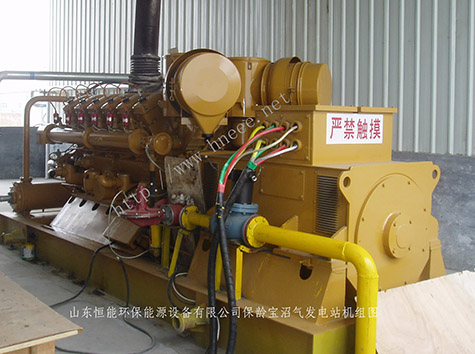
1.1.2操作人員應(yīng)了解沼氣(生物天然氣)工程工藝流程,必須熟悉本崗位設(shè)施、設(shè)備的運(yùn)行要求和技術(shù)指標(biāo)。
1.1.2 Operators should understand the process flow of biogas (bio natural gas) engineering and must be familiar with the operational requirements and technical indicators of the facilities and equipment in their respective positions.
1.1.3操作人員、維修人員、安全監(jiān)督員必須經(jīng)過技術(shù)培訓(xùn),并經(jīng)考核合格后方可上崗。
1.1.3 Operators, maintenance personnel, and safety supervisors must undergo technical training and pass the assessment before they can take up their posts.
1.1.4管理房及設(shè)施、設(shè)備附近的明顯部位,應(yīng)張貼必要的工作圖表、安全注意事項(xiàng)、操作規(guī)程和運(yùn)轉(zhuǎn)說明等。
1.1.4 Necessary work charts, safety precautions, operating procedures, and operating instructions should be posted in prominent areas near the management room, facilities, and equipment.
1.1.5各崗位的操作人員,應(yīng)切實(shí)執(zhí)行本崗位操作規(guī)程中的各項(xiàng)要求,按時(shí)準(zhǔn)確地填寫運(yùn)行記錄。運(yùn)行管理人員應(yīng)定期檢查原始記錄。
1.1.5 The operators of each position should effectively implement the requirements in the operating procedures of their respective positions and fill in the operation records on time and accurately. The operation management personnel should regularly check the original records.
1.1.6運(yùn)行管理人員和操作人員應(yīng)按工藝和管理要求巡視檢查構(gòu)筑物、設(shè)備、電器和儀表的運(yùn)行情況。設(shè)備啟動(dòng)前應(yīng)做好全面檢查和準(zhǔn)備工作,確認(rèn)無誤后方可開機(jī)運(yùn)行。操作人員除了設(shè)施設(shè)備正常運(yùn)行維護(hù)工作之外,應(yīng)按工藝流程和各種設(shè)施、設(shè)備的管理要求進(jìn)行巡視,如進(jìn)出水流是否通暢、殘?jiān)宄⒄託猓ㄉ锾烊粴猓┊a(chǎn)量、厭氧消化裝置污泥流失情況、以及各種機(jī)電設(shè)備的運(yùn)轉(zhuǎn)部位有無異常的噪聲、溫升、震動(dòng)、漏電和膠輪脫膠等。同時(shí)還應(yīng)該觀察各種儀表是否工作正常、穩(wěn)定。
1.1.6 Operation management personnel and operators should inspect the operation of structures, equipment, electrical appliances, and instruments in accordance with process and management requirements. Before starting the equipment, a comprehensive inspection and preparation work should be done to confirm that there are no errors before it can be turned on and operated. In addition to the normal operation and maintenance of facilities and equipment, operators should conduct inspections according to the process flow and management requirements of various facilities and equipment, such as whether the inflow and outflow of water are smooth, residue removal, biogas (biogas) production, sludge loss of anaerobic digestion equipment, and whether there are abnormal noises, temperature rise, vibration, leakage, and rubber wheel detachment in the operating parts of various mechanical and electrical equipment. At the same time, it is also necessary to observe whether various instruments are working properly and stably.
1.1.7發(fā)現(xiàn)運(yùn)行異常時(shí),應(yīng)采取相應(yīng)措施、及時(shí)上報(bào)并記錄。
When abnormal operation is detected, corresponding measures should be taken, reported in a timely manner, and recorded.
1.1.8各種設(shè)施、設(shè)備應(yīng)保持清潔,避免水、泥、氣泄漏。
1.1.8 All facilities and equipment should be kept clean to avoid water, mud, and gas leaks.
1.1.9沼氣(生物天然氣)站應(yīng)對各項(xiàng)生產(chǎn)指標(biāo)、能源和材料消耗指標(biāo)等準(zhǔn)確計(jì)量,應(yīng)達(dá)到國家三級計(jì)量合格單位。
1.1.9 Biogas (bio natural gas) stations should accurately measure various production indicators, energy and material consumption indicators, etc., and should reach the national third level measurement qualified unit.
1.1.10運(yùn)行管理人員和操作人員應(yīng)從運(yùn)行管理中不斷總結(jié)經(jīng)驗(yàn),提高沼氣(生物天然氣)集中供氣工程的運(yùn)行效率和穩(wěn)定性。
1.1.10 Operation management personnel and operators should continuously summarize experience from operation management to improve the operational efficiency and stability of biogas (bio natural gas) centralized gas supply projects.
1.2維護(hù)保養(yǎng)
1.2 Maintenance and upkeep
1.2.1沼氣(生物天然氣)站應(yīng)制定全面的維護(hù)保養(yǎng)計(jì)劃,計(jì)劃應(yīng)包括下列內(nèi)容:(1)設(shè)備記錄設(shè)備記錄包括了設(shè)備名稱、編號以及在維護(hù)保養(yǎng)時(shí)需要的各項(xiàng)資料,應(yīng)為每臺(tái)設(shè)備填寫一張“設(shè)備記錄卡”或進(jìn)入計(jì)算機(jī)資料系統(tǒng),將該設(shè)備維修保養(yǎng)過的工作記錄在卡上或資料系統(tǒng)中。(2)部件記錄部件記錄應(yīng)記錄所有設(shè)備部件,包括維修工具。每件部件都有一張“部件清單”,詳細(xì)列明部件的細(xì)節(jié)。所有部件最好集中在一個(gè)倉庫內(nèi),印有部件名稱的標(biāo)簽應(yīng)貼在貨架的顯眼位置,以便維修人員可以容易找到需要的東西。(3)維修保養(yǎng)時(shí)間表維修時(shí)間表可根據(jù)設(shè)備設(shè)施的維修保養(yǎng)要求和實(shí)際操作經(jīng)驗(yàn)制定或修訂。(4)維修保養(yǎng)預(yù)算及開支維修保養(yǎng)的開支一般占沼氣(生物天然氣)工程運(yùn)行總費(fèi)用的較高比例,除日常維護(hù)保養(yǎng)外的維修開支是經(jīng)常變更的,所以需要有一個(gè)良好的記錄去幫助控制這方面的支出和通過這些開支資料來做出較實(shí)際的預(yù)算計(jì)劃。
1.2.1 A comprehensive maintenance plan should be developed for biogas (bio natural gas) stations, which should include the following contents: (1) Equipment records. Equipment records include equipment names, numbers, and various information required for maintenance. A "Equipment Record Card" should be filled out for each equipment or entered into the computer data system to record the maintenance work of the equipment on the card or in the data system. (2) The component record should document all equipment components, including maintenance tools. Each component has a 'component list' that provides detailed information about the components. It is best to gather all components in one warehouse, and labels with component names should be prominently placed on the shelves so that maintenance personnel can easily find what they need. (3) The maintenance schedule can be developed or revised based on the maintenance requirements and actual operational experience of the equipment and facilities. (4) The maintenance budget and expenses generally account for a relatively high proportion of the total operating costs of biogas (bio natural gas) projects. Maintenance expenses other than daily maintenance are often subject to change, so it is necessary to have a good record to help control these expenses and make more practical budget plans through these expenditure data.
1.2.2沼氣(生物天然氣)站應(yīng)建立日常保養(yǎng)、定期維護(hù)和大修三級維護(hù)檢修制度。
1.2.2 Biogas (bio natural gas) stations should establish a three-level maintenance and overhaul system, including daily maintenance, regular maintenance, and major repairs.
1.2.3維修人員必須熟悉沼氣(生物天然氣)站機(jī)電設(shè)備、處理設(shè)施的維護(hù)保養(yǎng)計(jì)劃與規(guī)定以及檢查驗(yàn)收制度。
1.2.3 Maintenance personnel must be familiar with the maintenance plan and regulations, as well as the inspection and acceptance system, for the mechanical and electrical equipment and processing facilities of biogas (bio natural gas) stations.
1.2.4應(yīng)對構(gòu)筑物的結(jié)構(gòu)及各種閘閥、護(hù)欄、爬梯、管道、支架和蓋板等定期進(jìn)行檢查維護(hù)。
1.2.4 The structure of the building and various gate valves, guardrails, ladders, pipelines, supports, and cover plates should be regularly inspected and maintained.
1.2.5構(gòu)筑物之間的連接管道、明渠等應(yīng)經(jīng)常清理,保持暢通。
1.2.5 The connecting pipes, open channels, etc. between structures should be regularly cleaned and kept unobstructed.
1.2.6各種設(shè)備、儀器儀表應(yīng)嚴(yán)格按照其技術(shù)文件進(jìn)行維護(hù)保養(yǎng)。
1.2.6 Various equipment and instruments should be maintained strictly in accordance with their technical documents.
1.2.7定期檢查、緊固設(shè)備連接件,定期檢查控制元件等連鎖裝置。
1.2.7 Regularly inspect and tighten equipment connectors, and regularly check interlocking devices such as control components.
1.2.8各種工藝管線應(yīng)按要求定期涂飾相應(yīng)的油漆或涂料。
1.2.8 Various process pipelines should be regularly coated with corresponding paints or coatings as required.
1.2.9維修機(jī)械設(shè)備時(shí),不得隨意搭接臨時(shí)動(dòng)力線。
1.2.9 When repairing mechanical equipment, temporary power lines must not be arbitrarily overlapped.
1.2.10維修人員應(yīng)按設(shè)備使用要求定期檢查和更換安全和消防等防護(hù)設(shè)施、設(shè)備。
1.2.10 Maintenance personnel should regularly inspect and replace safety and fire protection facilities and equipment according to equipment usage requirements.
1.2.11建筑物、構(gòu)筑物的避雷、防爆裝置的測試、維修及周期應(yīng)符合電力和消防部門的規(guī)定,并申報(bào)有關(guān)部門定期測試。
1.2.11 The testing, maintenance, and cycle of lightning and explosion protection devices for buildings and structures shall comply with the regulations of the power and fire departments, and shall be reported to relevant departments for regular testing.
1.3安全操作
1.3 Safe operation
1.3.1沼氣(生物天然氣)站必須對新進(jìn)站的人員進(jìn)行系統(tǒng)的安全教育,并建立經(jīng)常性的安全教育制度。
1.3.1 The biogas (bio natural gas) station must provide systematic safety education to new personnel entering the station and establish a regular safety education system.
1.3.2沼氣(生物天然氣)站應(yīng)在明顯位置配備防護(hù)救生設(shè)施及用品,包括:a)消防器材;b)保護(hù)性安全器具。
1.3.2 Biogas (bio natural gas) stations should be equipped with protective and life-saving facilities and supplies in prominent locations, including: a) fire-fighting equipment; b) Protective safety equipment.
1.3.3沼氣(生物天然氣)站嚴(yán)禁煙火,并在醒目位置設(shè)置“嚴(yán)禁煙火”標(biāo)志;嚴(yán)禁違章明火作業(yè),動(dòng)火操作必須采取安全防護(hù)措施,并經(jīng)過安全部門審批;禁止石器、鐵器過激碰撞。
1.3.3 Smoking is strictly prohibited at biogas (bio natural gas) stations, and a "No Smoking" sign should be prominently displayed; It is strictly prohibited to engage in illegal open flame operations. Safety protection measures must be taken for hot work operations and approved by the safety department; Prohibit excessive collision of stone and iron tools.
1.3.4應(yīng)制定火警、易燃及有害氣體泄漏、爆炸、自然災(zāi)害等意外事件的緊急應(yīng)變程序和方法。
1.3.4 Emergency response procedures and methods should be developed for unexpected events such as fire alarms, flammable and harmful gas leaks, explosions, natural disasters, etc.
1.3.5運(yùn)行管理人員和安全監(jiān)督人員必須熟悉沼氣(生物天然氣)站存在的各種危險(xiǎn)、有害因素和由于操作不當(dāng)所帶來的危害。
1.3.5 Operation management personnel and safety supervision personnel must be familiar with various hazards, harmful factors, and hazards caused by improper operation of biogas (bio natural gas) stations.
1.3.6啟動(dòng)設(shè)備應(yīng)在做好啟動(dòng)準(zhǔn)備工作后進(jìn)行。電源電壓波幅大于或小于額定電壓5%時(shí),不宜啟動(dòng)大型電機(jī),電氣設(shè)備必須可靠接地。
1.3.6 The equipment should be started after preparing for startup. When the amplitude of the power supply voltage is greater than or less than 5% of the rated voltage, it is not advisable to start large motors, and electrical equipment must be reliably grounded.
1.3.7嚴(yán)禁非本崗位人員啟、閉機(jī)電設(shè)備。維修機(jī)械設(shè)備時(shí),不得隨意搭接臨時(shí)動(dòng)力線。設(shè)備旋轉(zhuǎn)部位應(yīng)加裝防護(hù)罩,在運(yùn)轉(zhuǎn)中清理機(jī)電設(shè)備及周圍環(huán)境衛(wèi)生時(shí),嚴(yán)禁擦拭設(shè)備運(yùn)轉(zhuǎn)部位,不得將沖洗水濺到電纜頭和電機(jī)上。各種設(shè)備維修時(shí)必須斷電,并應(yīng)在開關(guān)處懸掛維修警示牌后,方可操作。
1.3.7 It is strictly prohibited for non personnel in this position to open or close mechanical and electrical equipment. When repairing mechanical equipment, temporary power lines must not be arbitrarily overlapped. The rotating parts of the equipment should be equipped with protective covers. When cleaning the mechanical and electrical equipment and the surrounding environment during operation, it is strictly prohibited to wipe the operating parts of the equipment, and rinse water should not splash onto the cable heads and motors. All equipment maintenance must be powered off, and maintenance warning signs should be hung at the switch before operation.
1.3.8操作電器開關(guān)時(shí),應(yīng)按電工安全用電操作規(guī)程進(jìn)行。控制信號電源必須采用安全電壓36V以下。
When operating electrical switches, follow the electrical safety operation procedures for electricians. The control signal power supply must use a safe voltage below 36V.
1.3.9清撈浮渣、雜物及清掃堰口時(shí),應(yīng)有安全及監(jiān)護(hù)措施;上下爬梯,以及在構(gòu)筑物上、敞開池、井邊巡視和操作時(shí),應(yīng)注意安全、防止滑倒或墜落,雨天或冰雪天氣應(yīng)特別注意防滑。
1.3.9 Safety and monitoring measures should be taken when removing floating slag, debris, and cleaning the weir mouth; When climbing up and down stairs, as well as conducting inspections and operations on structures, open pools, and well edges, safety should be taken into account to prevent slipping or falling. Special attention should be paid to anti slip during rainy or snowy weather.
1.3.10嚴(yán)禁隨便進(jìn)入具有有毒、有害氣體的厭氧消化罐、溝渠、管道及地下井(室),如:調(diào)節(jié)池、厭氧消化罐、儲(chǔ)氣罐、儲(chǔ)氣罐旁閥門井等。凡在這類構(gòu)筑物或容器進(jìn)行放空清理、維修和拆除時(shí),必須必須采取通風(fēng)、換氣等措施。首先,清理干凈產(chǎn)生氣體的原料,打開這類裝置的蓋板或人孔蓋板,然后向裝置內(nèi)鼓風(fēng)或向外抽風(fēng),待可燃?xì)怏w與有害氣體含量符合規(guī)定時(shí)(甲烷含量控制在5%以下,有害氣體H2S含量、HCN含量和CO的含量應(yīng)分別控制在10mg/M3、1mg/M3、和20mg/M3以下,同時(shí)防止缺氧,含氧量不得低于18%),并經(jīng)動(dòng)物實(shí)驗(yàn)證明無危險(xiǎn)時(shí),方可操作。下池操作人員應(yīng)戴好安全帽,系上安全帶、配備安全照明燈具,使用隔離防護(hù)面具,池外必須有人監(jiān)視池內(nèi)作業(yè)并保持密切聯(lián)系。整個(gè)檢修期間不得停止鼓風(fēng)。池內(nèi)所用照明用具和電動(dòng)工具必須防爆。如需明火作業(yè),必須符合消防防火要求。同時(shí)應(yīng)有防火、救護(hù)等措施。放料時(shí)一定不能讓厭氧消化罐產(chǎn)生負(fù)壓。操作步奏如下:1)關(guān)閉沼氣(生物天然氣)輸送管道;2)打開厭氧消化罐頂部人孔蓋板,使厭氧消化罐內(nèi)部與大氣連通;3)放料。
1.3.10 It is strictly prohibited to enter anaerobic digestion tanks, ditches, pipelines, and underground wells (rooms) containing toxic or harmful gases, such as regulating tanks, anaerobic digestion tanks, gas storage tanks, and valve wells next to gas storage tanks. Ventilation and air exchange measures must be taken when emptying, cleaning, repairing, and dismantling such structures or containers. Firstly, clean up the raw materials that generate gas, open the cover plate or manhole cover plate of such devices, and then blow air into the device or draw air outward. Only when the combustible gas and harmful gas content meet the regulations (methane content should be controlled below 5%, harmful gas H2S content, HCN content, and CO content should be controlled below 10mg/M3, 1mg/M3, and 20mg/M3, respectively, while preventing hypoxia, and the oxygen content should not be lower than 18%), and animal experiments prove that there is no danger, can the operation be carried out. The personnel operating in the pool should wear safety helmets, fasten safety belts, equip with safety lighting fixtures, use isolation protective masks, and there must be someone outside the pool to monitor the operations inside and maintain close contact. During the entire maintenance period, the air blowing must not be stopped. All lighting fixtures and power tools used in the pool must be explosion-proof. If open flame operation is required, it must comply with fire prevention requirements. At the same time, measures such as fire prevention and rescue should be taken. During feeding, it is essential not to create negative pressure in the anaerobic digestion tank. The operation steps are as follows: 1) Close the biogas (bio natural gas) transmission pipeline; 2) Open the manhole cover on the top of the anaerobic digestion tank to connect the inside of the tank to the atmosphere; 3) Release materials.
1.3.11各崗位操作人員應(yīng)穿戴齊全勞保用品,做好安全防范工作,并應(yīng)熟悉使用滅火裝置。操作人員應(yīng)穿防靜電的工作服、絕緣鞋、手套等,避免產(chǎn)生火花以及直接與污水、污泥接觸。取樣人員應(yīng)戴膠皮手套。
1.3.11 Operators at all positions should wear complete personal protective equipment, take safety precautions, and be familiar with using fire extinguishing devices. Operators should wear anti-static work clothes, insulated shoes, gloves, etc. to avoid sparks and direct contact with sewage and sludge. Sampling personnel should wear rubber gloves.
1.3.12具有有毒、有害氣體,易燃?xì)怏w、異味、粉塵和環(huán)境潮濕的地點(diǎn),必須通風(fēng)良好,進(jìn)入之前,先開啟通風(fēng)裝置。
1.3.12 Places with toxic and harmful gases, flammable gases, odors, dust, and humid environments must have good ventilation. Before entering, turn on the ventilation device.
1.3.13實(shí)行生產(chǎn)運(yùn)行操作票和設(shè)備檢修工作票制度,無票禁止操作各生產(chǎn)設(shè)備。
1.3.13 Implement the system of production operation tickets and equipment maintenance work tickets, and prohibit the operation of various production equipment without tickets.
2水泵2.1運(yùn)行管理
2 Water pumps 2.1 Operation management
2.1.1開機(jī)前應(yīng)進(jìn)行細(xì)致檢查,做好開機(jī)前的準(zhǔn)備工作,確保其配套設(shè)備安裝正確。(1)試車啟動(dòng)前必須確認(rèn)泵的轉(zhuǎn)向與銘牌上一致。(2)按各類水泵的操作要求開機(jī)。2.1.2水泵在運(yùn)行中,必須嚴(yán)格執(zhí)行巡回檢查制度,并符合下列規(guī)定:(1)應(yīng)注意觀察各種儀表顯示是否正常、穩(wěn)定。水泵的電流不得超過名牌上的額定電流,三相電流不平衡度,空載時(shí)不超過10%,額定負(fù)載時(shí)不超過5%;電源電壓與額定電壓的偏差不超過±5%,三相電壓不平衡度不超過1.5%。(2)檢查水泵流量是否正常。(3)檢查水泵是否發(fā)熱,滴水是否正常。(4)注意軸承溫升,不得超過環(huán)境溫度35°C,總和溫度不得超過75°C。(5)水泵機(jī)組不得有異常的噪音或振動(dòng)。(6)檢查取水口水位是否過低,進(jìn)水口是否堵塞。
2.1.1 Before starting up, a detailed inspection should be carried out to prepare for the startup and ensure that the supporting equipment is installed correctly. (1) Before starting the test drive, it is necessary to confirm that the direction of rotation of the pump is consistent with the nameplate. (2) Start up according to the operating requirements of various types of water pumps. 2.1.2 During the operation of the water pump, it is necessary to strictly implement the patrol inspection system and comply with the following regulations: (1) Attention should be paid to observing whether various instrument displays are normal and stable. The current of the water pump shall not exceed the rated current on the nameplate, and the three-phase current imbalance shall not exceed 10% under no-load and 5% under rated load; The deviation between the power supply voltage and the rated voltage shall not exceed ± 5%, and the three-phase voltage imbalance shall not exceed 1.5%. (2) Check if the water pump flow is normal. (3) Check if the water pump is heating up and if the dripping is normal. (4) Pay attention to the temperature rise of the bearings, which should not exceed the ambient temperature of 35 ° C, and the total temperature should not exceed 75 ° C. (5) There should be no abnormal noise or vibration in the water pump unit. (6) Check if the water level at the intake is too low and if the intake is blocked.
2.1.3應(yīng)使泵房的機(jī)電設(shè)備保持良好狀態(tài)。選擇潛水泵時(shí),必須保證泵防水電纜的可靠固定。
2.1.3 The mechanical and electrical equipment in the pump room should be kept in good condition. When choosing a submersible pump, it is necessary to ensure the reliable fixation of the pump's waterproof cable.
1一般要求
1 General Requirements
1.1運(yùn)行管理
1.1 Operation Management
1.1.1運(yùn)行管理人員必須熟悉、了解本沼氣(生物天然氣)工程處理工藝和設(shè)施、設(shè)備的運(yùn)行要求與技術(shù)指標(biāo)。
1.1.1 Operation and management personnel must be familiar with and understand the operational requirements and technical indicators of the biogas (bio natural gas) engineering treatment process, facilities, and equipment.
1.1.2操作人員應(yīng)了解沼氣(生物天然氣)工程工藝流程,必須熟悉本崗位設(shè)施、設(shè)備的運(yùn)行要求和技術(shù)指標(biāo)。
1.1.2 Operators should understand the process flow of biogas (bio natural gas) engineering and must be familiar with the operational requirements and technical indicators of the facilities and equipment in their respective positions.
1.1.3操作人員、維修人員、安全監(jiān)督員必須經(jīng)過技術(shù)培訓(xùn),并經(jīng)考核合格后方可上崗。
1.1.3 Operators, maintenance personnel, and safety supervisors must undergo technical training and pass the assessment before they can take up their posts.
1.1.4管理房及設(shè)施、設(shè)備附近的明顯部位,應(yīng)張貼必要的工作圖表、安全注意事項(xiàng)、操作規(guī)程和運(yùn)轉(zhuǎn)說明等。
1.1.4 Necessary work charts, safety precautions, operating procedures, and operating instructions should be posted in prominent areas near the management room, facilities, and equipment.
1.1.5各崗位的操作人員,應(yīng)切實(shí)執(zhí)行本崗位操作規(guī)程中的各項(xiàng)要求,按時(shí)準(zhǔn)確地填寫運(yùn)行記錄。運(yùn)行管理人員應(yīng)定期檢查原始記錄。
1.1.5 The operators of each position should effectively implement the requirements in the operating procedures of their respective positions and fill in the operation records on time and accurately. The operation management personnel should regularly check the original records.
1.1.6運(yùn)行管理人員和操作人員應(yīng)按工藝和管理要求巡視檢查構(gòu)筑物、設(shè)備、電器和儀表的運(yùn)行情況。設(shè)備啟動(dòng)前應(yīng)做好全面檢查和準(zhǔn)備工作,確認(rèn)無誤后方可開機(jī)運(yùn)行。操作人員除了設(shè)施設(shè)備正常運(yùn)行維護(hù)工作之外,應(yīng)按工藝流程和各種設(shè)施、設(shè)備的管理要求進(jìn)行巡視,如進(jìn)出水流是否通暢、殘?jiān)宄⒄託猓ㄉ锾烊粴猓┊a(chǎn)量、厭氧消化裝置污泥流失情況、以及各種機(jī)電設(shè)備的運(yùn)轉(zhuǎn)部位有無異常的噪聲、溫升、震動(dòng)、漏電和膠輪脫膠等。同時(shí)還應(yīng)該觀察各種儀表是否工作正常、穩(wěn)定。
1.1.6 Operation management personnel and operators should inspect the operation of structures, equipment, electrical appliances, and instruments in accordance with process and management requirements. Before starting the equipment, a comprehensive inspection and preparation work should be done to confirm that there are no errors before it can be turned on and operated. In addition to the normal operation and maintenance of facilities and equipment, operators should conduct inspections according to the process flow and management requirements of various facilities and equipment, such as whether the inflow and outflow of water are smooth, residue removal, biogas (biogas) production, sludge loss of anaerobic digestion equipment, and whether there are abnormal noises, temperature rise, vibration, leakage, and rubber wheel detachment in the operating parts of various mechanical and electrical equipment. At the same time, it is also necessary to observe whether various instruments are working properly and stably.
1.1.7發(fā)現(xiàn)運(yùn)行異常時(shí),應(yīng)采取相應(yīng)措施、及時(shí)上報(bào)并記錄。
When abnormal operation is detected, corresponding measures should be taken, reported in a timely manner, and recorded.
1.1.8各種設(shè)施、設(shè)備應(yīng)保持清潔,避免水、泥、氣泄漏。
1.1.8 All facilities and equipment should be kept clean to avoid water, mud, and gas leaks.
1.1.9沼氣(生物天然氣)站應(yīng)對各項(xiàng)生產(chǎn)指標(biāo)、能源和材料消耗指標(biāo)等準(zhǔn)確計(jì)量,應(yīng)達(dá)到國家三級計(jì)量合格單位。
1.1.9 Biogas (bio natural gas) stations should accurately measure various production indicators, energy and material consumption indicators, etc., and should reach the national third level measurement qualified unit.
1.1.10運(yùn)行管理人員和操作人員應(yīng)從運(yùn)行管理中不斷總結(jié)經(jīng)驗(yàn),提高沼氣(生物天然氣)集中供氣工程的運(yùn)行效率和穩(wěn)定性。
1.1.10 Operation management personnel and operators should continuously summarize experience from operation management to improve the operational efficiency and stability of biogas (bio natural gas) centralized gas supply projects.
1.2維護(hù)保養(yǎng)1.2.1沼氣(生物天然氣)站應(yīng)制定全面的維護(hù)保養(yǎng)計(jì)劃,計(jì)劃應(yīng)包括下列內(nèi)容:(1)設(shè)備記錄設(shè)備記錄包括了設(shè)備名稱、編號以及在維護(hù)保養(yǎng)時(shí)需要的各項(xiàng)資料,應(yīng)為每臺(tái)設(shè)備填寫一張“設(shè)備記錄卡”或進(jìn)入計(jì)算機(jī)資料系統(tǒng),將該設(shè)備維修保養(yǎng)過的工作記錄在卡上或資料系統(tǒng)中。(2)部件記錄部件記錄應(yīng)記錄所有設(shè)備部件,包括維修工具。每件部件都有一張“部件清單”,詳細(xì)列明部件的細(xì)節(jié)。所有部件最好集中在一個(gè)倉庫內(nèi),印有部件名稱的標(biāo)簽應(yīng)貼在貨架的顯眼位置,以便維修人員可以容易找到需要的東西。(3)維修保養(yǎng)時(shí)間表維修時(shí)間表可根據(jù)設(shè)備設(shè)施的維修保養(yǎng)要求和實(shí)際操作經(jīng)驗(yàn)制定或修訂。(4)維修保養(yǎng)預(yù)算及開支維修保養(yǎng)的開支一般占沼氣(生物天然氣)工程運(yùn)行總費(fèi)用的較高比例,除日常維護(hù)保養(yǎng)外的維修開支是經(jīng)常變更的,所以需要有一個(gè)良好的記錄去幫助控制這方面的支出和通過這些開支資料來做出較實(shí)際的預(yù)算計(jì)劃。
1.2 Maintenance 1.2.1 A comprehensive maintenance plan should be developed for biogas (bio natural gas) stations, which should include the following contents: (1) Equipment records. Equipment records include equipment names, numbers, and various information required for maintenance. A "Equipment Record Card" should be filled out for each equipment or entered into the computer data system to record the maintenance work of the equipment on the card or in the data system. (2) The component record should document all equipment components, including maintenance tools. Each component has a 'component list' that provides detailed information about the components. It is best to gather all components in one warehouse, and labels with component names should be prominently placed on the shelves so that maintenance personnel can easily find what they need. (3) The maintenance schedule can be developed or revised based on the maintenance requirements and actual operational experience of the equipment and facilities. (4) The maintenance budget and expenses generally account for a relatively high proportion of the total operating costs of biogas (bio natural gas) projects. Maintenance expenses other than daily maintenance are often subject to change, so it is necessary to have a good record to help control these expenses and make more practical budget plans through these expenditure data.
1.2.2沼氣(生物天然氣)站應(yīng)建立日常保養(yǎng)、定期維護(hù)和大修三級維護(hù)檢修制度。
1.2.2 Biogas (bio natural gas) stations should establish a three-level maintenance and overhaul system, including daily maintenance, regular maintenance, and major repairs.
1.2.3維修人員必須熟悉沼氣(生物天然氣)站機(jī)電設(shè)備、處理設(shè)施的維護(hù)保養(yǎng)計(jì)劃與規(guī)定以及檢查驗(yàn)收制度。
1.2.3 Maintenance personnel must be familiar with the maintenance plan and regulations, as well as the inspection and acceptance system, for the mechanical and electrical equipment and processing facilities of biogas (bio natural gas) stations.
1.2.4應(yīng)對構(gòu)筑物的結(jié)構(gòu)及各種閘閥、護(hù)欄、爬梯、管道、支架和蓋板等定期進(jìn)行檢查維護(hù)。
1.2.4 The structure of the building and various gate valves, guardrails, ladders, pipelines, supports, and cover plates should be regularly inspected and maintained.
1.2.5構(gòu)筑物之間的連接管道、明渠等應(yīng)經(jīng)常清理,保持暢通。
1.2.5 The connecting pipes, open channels, etc. between structures should be regularly cleaned and kept unobstructed.
1.2.6各種設(shè)備、儀器儀表應(yīng)嚴(yán)格按照其技術(shù)文件進(jìn)行維護(hù)保養(yǎng)。
1.2.6 Various equipment and instruments should be maintained strictly in accordance with their technical documents.
1.2.7定期檢查、緊固設(shè)備連接件,定期檢查控制元件等連鎖裝置。
1.2.7 Regularly inspect and tighten equipment connectors, and regularly check interlocking devices such as control components.
1.2.8各種工藝管線應(yīng)按要求定期涂飾相應(yīng)的油漆或涂料。
1.2.8 Various process pipelines should be regularly coated with corresponding paints or coatings as required.
1.2.9維修機(jī)械設(shè)備時(shí),不得隨意搭接臨時(shí)動(dòng)力線。
1.2.9 When repairing mechanical equipment, temporary power lines must not be arbitrarily overlapped.
1.2.10維修人員應(yīng)按設(shè)備使用要求定期檢查和更換安全和消防等防護(hù)設(shè)施、設(shè)備。
1.2.10 Maintenance personnel should regularly inspect and replace safety and fire protection facilities and equipment according to equipment usage requirements.
1.2.11建筑物、構(gòu)筑物的避雷、防爆裝置的測試、維修及周期應(yīng)符合電力和消防部門的規(guī)定,并申報(bào)有關(guān)部門定期測試。
1.2.11 The testing, maintenance, and cycle of lightning and explosion protection devices for buildings and structures shall comply with the regulations of the power and fire departments, and shall be reported to relevant departments for regular testing.
1.3安全操作1.3.1沼氣(生物天然氣)站必須對新進(jìn)站的人員進(jìn)行系統(tǒng)的安全教育,并建立經(jīng)常性的安全教育制度。
1.3 Safe Operation 1.3.1 The biogas (bio natural gas) station must provide systematic safety education to new personnel entering the station and establish a regular safety education system.
1.3.2沼氣(生物天然氣)站應(yīng)在明顯位置配備防護(hù)救生設(shè)施及用品,包括:a)消防器材;b)保護(hù)性安全器具。
1.3.2 Biogas (bio natural gas) stations should be equipped with protective and life-saving facilities and supplies in prominent locations, including: a) fire-fighting equipment; b) Protective safety equipment.
1.3.3沼氣(生物天然氣)站嚴(yán)禁煙火,并在醒目位置設(shè)置“嚴(yán)禁煙火”標(biāo)志;嚴(yán)禁違章明火作業(yè),動(dòng)火操作必須采取安全防護(hù)措施,并經(jīng)過安全部門審批;禁止石器、鐵器過激碰撞。
1.3.3 Smoking is strictly prohibited at biogas (bio natural gas) stations, and a "No Smoking" sign should be prominently displayed; It is strictly prohibited to engage in illegal open flame operations. Safety protection measures must be taken for hot work operations and approved by the safety department; Prohibit excessive collision of stone and iron tools.
1.3.4應(yīng)制定火警、易燃及有害氣體泄漏、爆炸、自然災(zāi)害等意外事件的緊急應(yīng)變程序和方法。
1.3.4 Emergency response procedures and methods should be developed for unexpected events such as fire alarms, flammable and harmful gas leaks, explosions, natural disasters, etc.
1.3.5運(yùn)行管理人員和安全監(jiān)督人員必須熟悉沼氣(生物天然氣)站存在的各種危險(xiǎn)、有害因素和由于操作不當(dāng)所帶來的危害。
1.3.5 Operation management personnel and safety supervision personnel must be familiar with various hazards, harmful factors, and hazards caused by improper operation of biogas (bio natural gas) stations.
1.3.6啟動(dòng)設(shè)備應(yīng)在做好啟動(dòng)準(zhǔn)備工作后進(jìn)行。電源電壓波幅大于或小于額定電壓5%時(shí),不宜啟動(dòng)大型電機(jī),電氣設(shè)備必須可靠接地。
1.3.6 The equipment should be started after preparing for startup. When the amplitude of the power supply voltage is greater than or less than 5% of the rated voltage, it is not advisable to start large motors, and electrical equipment must be reliably grounded.
1.3.7嚴(yán)禁非本崗位人員啟、閉機(jī)電設(shè)備。維修機(jī)械設(shè)備時(shí),不得隨意搭接臨時(shí)動(dòng)力線。設(shè)備旋轉(zhuǎn)部位應(yīng)加裝防護(hù)罩,在運(yùn)轉(zhuǎn)中清理機(jī)電設(shè)備及周圍環(huán)境衛(wèi)生時(shí),嚴(yán)禁擦拭設(shè)備運(yùn)轉(zhuǎn)部位,不得將沖洗水濺到電纜頭和電機(jī)上。各種設(shè)備維修時(shí)必須斷電,并應(yīng)在開關(guān)處懸掛維修警示牌后,方可操作。
1.3.7 It is strictly prohibited for non personnel in this position to open or close mechanical and electrical equipment. When repairing mechanical equipment, temporary power lines must not be arbitrarily overlapped. The rotating parts of the equipment should be equipped with protective covers. When cleaning the mechanical and electrical equipment and the surrounding environment during operation, it is strictly prohibited to wipe the operating parts of the equipment, and rinse water should not splash onto the cable heads and motors. All equipment maintenance must be powered off, and maintenance warning signs should be hung at the switch before operation.
1.3.8操作電器開關(guān)時(shí),應(yīng)按電工安全用電操作規(guī)程進(jìn)行。控制信號電源必須采用安全電壓36V以下。
When operating electrical switches, follow the electrical safety operation procedures for electricians. The control signal power supply must use a safe voltage below 36V.
1.3.9清撈浮渣、雜物及清掃堰口時(shí),應(yīng)有安全及監(jiān)護(hù)措施;上下爬梯,以及在構(gòu)筑物上、敞開池、井邊巡視和操作時(shí),應(yīng)注意安全、防止滑倒或墜落,雨天或冰雪天氣應(yīng)特別注意防滑。
1.3.9 Safety and monitoring measures should be taken when removing floating slag, debris, and cleaning the weir mouth; When climbing up and down stairs, as well as conducting inspections and operations on structures, open pools, and well edges, safety should be taken into account to prevent slipping or falling. Special attention should be paid to anti slip during rainy or snowy weather.
1.3.10嚴(yán)禁隨便進(jìn)入具有有毒、有害氣體的厭氧消化罐、溝渠、管道及地下井(室),如:調(diào)節(jié)池、厭氧消化罐、儲(chǔ)氣罐、儲(chǔ)氣罐旁閥門井等。凡在這類構(gòu)筑物或容器進(jìn)行放空清理、維修和拆除時(shí),必須必須采取通風(fēng)、換氣等措施。首先,清理干凈產(chǎn)生氣體的原料,打開這類裝置的蓋板或人孔蓋板,然后向裝置內(nèi)鼓風(fēng)或向外抽風(fēng),待可燃?xì)怏w與有害氣體含量符合規(guī)定時(shí)(甲烷含量控制在5%以下,有害氣體H2S含量、HCN含量和CO的含量應(yīng)分別控制在10mg/M3、1mg/M3、和20mg/M3以下,同時(shí)防止缺氧,含氧量不得低于18%),并經(jīng)動(dòng)物實(shí)驗(yàn)證明無危險(xiǎn)時(shí),方可操作。下池操作人員應(yīng)戴好安全帽,系上安全帶、配備安全照明燈具,使用隔離防護(hù)面具,池外必須有人監(jiān)視池內(nèi)作業(yè)并保持密切聯(lián)系。整個(gè)檢修期間不得停止鼓風(fēng)。池內(nèi)所用照明用具和電動(dòng)工具必須防爆。如需明火作業(yè),必須符合消防防火要求。同時(shí)應(yīng)有防火、救護(hù)等措施。放料時(shí)一定不能讓厭氧消化罐產(chǎn)生負(fù)壓。操作步奏如下:1)關(guān)閉沼氣(生物天然氣)輸送管道;2)打開厭氧消化罐頂部人孔蓋板,使厭氧消化罐內(nèi)部與大氣連通;3)放料。
1.3.10 It is strictly prohibited to enter anaerobic digestion tanks, ditches, pipelines, and underground wells (rooms) containing toxic or harmful gases, such as regulating tanks, anaerobic digestion tanks, gas storage tanks, and valve wells next to gas storage tanks. Ventilation and air exchange measures must be taken when emptying, cleaning, repairing, and dismantling such structures or containers. Firstly, clean up the raw materials that generate gas, open the cover plate or manhole cover plate of such devices, and then blow air into the device or draw air outward. Only when the combustible gas and harmful gas content meet the regulations (methane content should be controlled below 5%, harmful gas H2S content, HCN content, and CO content should be controlled below 10mg/M3, 1mg/M3, and 20mg/M3, respectively, while preventing hypoxia, and the oxygen content should not be lower than 18%), and animal experiments prove that there is no danger, can the operation be carried out. The personnel operating in the pool should wear safety helmets, fasten safety belts, equip with safety lighting fixtures, use isolation protective masks, and there must be someone outside the pool to monitor the operations inside and maintain close contact. During the entire maintenance period, the air blowing must not be stopped. All lighting fixtures and power tools used in the pool must be explosion-proof. If open flame operation is required, it must comply with fire prevention requirements. At the same time, measures such as fire prevention and rescue should be taken. During feeding, it is essential not to create negative pressure in the anaerobic digestion tank. The operation steps are as follows: 1) Close the biogas (bio natural gas) transmission pipeline; 2) Open the manhole cover on the top of the anaerobic digestion tank to connect the inside of the tank to the atmosphere; 3) Release materials.
1.3.11各崗位操作人員應(yīng)穿戴齊全勞保用品,做好安全防范工作,并應(yīng)熟悉使用滅火裝置。操作人員應(yīng)穿防靜電的工作服、絕緣鞋、手套等,避免產(chǎn)生火花以及直接與污水、污泥接觸。取樣人員應(yīng)戴膠皮手套。
1.3.11 Operators at all positions should wear complete personal protective equipment, take safety precautions, and be familiar with using fire extinguishing devices. Operators should wear anti-static work clothes, insulated shoes, gloves, etc. to avoid sparks and direct contact with sewage and sludge. Sampling personnel should wear rubber gloves.
1.3.12具有有毒、有害氣體,易燃?xì)怏w、異味、粉塵和環(huán)境潮濕的地點(diǎn),必須通風(fēng)良好,進(jìn)入之前,先開啟通風(fēng)裝置。
1.3.12 Places with toxic and harmful gases, flammable gases, odors, dust, and humid environments must have good ventilation. Before entering, turn on the ventilation device.
1.3.13實(shí)行生產(chǎn)運(yùn)行操作票和設(shè)備檢修工作票制度,無票禁止操作各生產(chǎn)設(shè)備。
1.3.13 Implement the system of production operation tickets and equipment maintenance work tickets, and prohibit the operation of various production equipment without tickets.
2水泵2.1運(yùn)行管理2.1.1開機(jī)前應(yīng)進(jìn)行細(xì)致檢查,做好開機(jī)前的準(zhǔn)備工作,確保其配套設(shè)備安裝正確。(1)試車啟動(dòng)前必須確認(rèn)泵的轉(zhuǎn)向與銘牌上一致。(2)按各類水泵的操作要求開機(jī)。
2 Water pumps 2.1 Operation management 2.1.1 Before starting up, a detailed inspection should be carried out, and preparations should be made before starting up to ensure that the supporting equipment is installed correctly. (1) Before starting the test drive, it is necessary to confirm that the direction of rotation of the pump is consistent with the nameplate. (2) Start up according to the operating requirements of various types of water pumps.
2.1.2水泵在運(yùn)行中,必須嚴(yán)格執(zhí)行巡回檢查制度,并符合下列規(guī)定:(1)應(yīng)注意觀察各種儀表顯示是否正常、穩(wěn)定。水泵的電流不得超過名牌上的額定電流,三相電流不平衡度,空載時(shí)不超過10%,額定負(fù)載時(shí)不超過5%;電源電壓與額定電壓的偏差不超過±5%,三相電壓不平衡度不超過1.5%。(2)檢查水泵流量是否正常。(3)檢查水泵是否發(fā)熱,滴水是否正常。(4)注意軸承溫升,不得超過環(huán)境溫度35°C,總和溫度不得超過75°C。(5)水泵機(jī)組不得有異常的噪音或振動(dòng)。(6)檢查取水口水位是否過低,進(jìn)水口是否堵塞。
2.1.2 During the operation of the water pump, it is necessary to strictly implement the patrol inspection system and comply with the following regulations: (1) Attention should be paid to observing whether various instrument displays are normal and stable. The current of the water pump shall not exceed the rated current on the nameplate, and the three-phase current imbalance shall not exceed 10% under no-load and 5% under rated load; The deviation between the power supply voltage and the rated voltage shall not exceed ± 5%, and the three-phase voltage imbalance shall not exceed 1.5%. (2) Check if the water pump flow is normal. (3) Check if the water pump is heating up and if the dripping is normal. (4) Pay attention to the temperature rise of the bearings, which should not exceed the ambient temperature of 35 ° C, and the total temperature should not exceed 75 ° C. (5) There should be no abnormal noise or vibration in the water pump unit. (6) Check if the water level at the intake is too low and if the intake is blocked.
2.1.3應(yīng)使泵房的機(jī)電設(shè)備保持良好狀態(tài)。選擇潛水泵時(shí),必須保證泵防水電纜的可靠固定。
2.1.3 The mechanical and electrical equipment in the pump room should be kept in good condition. When choosing a submersible pump, it is necessary to ensure the reliable fixation of the pump's waterproof cable.
2.1.4應(yīng)及時(shí)清除葉輪、閘閥、管道的堵塞物。
2.1.4 Blockages in impellers, gate valves, and pipelines should be promptly removed.
2.2維護(hù)保養(yǎng)
2.2 Maintenance and upkeep
2.2.1定期檢查水泵、閥門等密封情況,并根據(jù)需要填加或更換。
2.2.1 Regularly check the sealing condition of water pumps, valves, etc., and add or replace them as needed.
2.2.2定期檢查集水池液位控制器。
2.2.2 Regularly check the liquid level controller of the collection tank.
2.2.3備用泵應(yīng)每月至少進(jìn)行一次試運(yùn)轉(zhuǎn)。環(huán)境溫度低于0°C時(shí),必須放掉泵殼內(nèi)的存水。
2.2.3 The standby pump should be tested at least once a month. When the ambient temperature is below 0 ° C, the stored water inside the pump casing must be drained.
2.2.4短期存放(期限不超過六個(gè)月),盡可能將泵蓋住,避免受潮;保證泵體內(nèi)干燥;保護(hù)電機(jī);每隔2~3周,用手動(dòng)使泵轉(zhuǎn)幾圈,避免定子與轉(zhuǎn)子粘在一起;泵啟動(dòng)前確保潤滑到位。長期存放,如存放期限超過六個(gè)月,建議將定子拆下來,在所有未上漆的鑄鐵件及機(jī)器的碳鋼表面涂上防銹漆;如方便可以將電機(jī)皮帶也拆下來。2.2.5電纜每年至少檢查一次,若破損應(yīng)予更換。2.2.6每年檢查一次機(jī)油。
2.2.4 Short term storage (period not exceeding six months), cover the pump as much as possible to avoid moisture; Ensure that the pump body is dry; Protect the motor; Every 2-3 weeks, manually rotate the pump a few times to avoid the stator and rotor sticking together; Ensure proper lubrication before starting the pump. Long term storage, if the storage period exceeds six months, it is recommended to remove the stator and apply anti rust paint to all unpainted cast iron parts and carbon steel surfaces of the machine; If convenient, the motor belt can also be removed. 2.2.5 The cable should be inspected at least once a year and replaced if damaged. 2.2.6 Check the engine oil once a year.
2.2.7當(dāng)拆卸泵時(shí)都需要更換機(jī)械密封,需要加倍小心避免破壞密封面。密封面易破碎,避免接觸并保持清潔。
2.2.7 When disassembling the pump, it is necessary to replace the mechanical seal and be extra careful to avoid damaging the sealing surface. The sealing surface is prone to breakage, avoid contact and maintain cleanliness.
2.2.8當(dāng)氣溫降至0℃以下時(shí),若水泵仍正常運(yùn)轉(zhuǎn)可繼續(xù)使用,否則應(yīng)吊起置于通風(fēng)干燥處,并注意防凍。
When the temperature drops below 0 ℃, if the water pump is still running normally, it can continue to be used. Otherwise, it should be lifted and placed in a ventilated and dry place, and attention should be paid to antifreeze.
2.2.9水泵運(yùn)行發(fā)生故障后,按給出的故障排除方法排除。
After a malfunction occurs during the operation of the water pump, follow the provided troubleshooting method to eliminate it.
2.3安全操作
2.3 Safe Operation
2.3.1水泵啟動(dòng)和運(yùn)行時(shí),操作人員不得接觸轉(zhuǎn)動(dòng)部位。
2.3.1 During the start-up and operation of the water pump, the operator shall not touch the rotating parts.
2.3.2當(dāng)水泵供電或設(shè)備發(fā)生重大故障時(shí),應(yīng)首先切斷電源,然后打開事故排放口閘閥,將進(jìn)水口處啟閉閥關(guān)閉,并及時(shí)上報(bào),未排除故障前不得擅自接通電源。
2.3.2 When there is a major malfunction in the power supply of the water pump or equipment, the power should be cut off first, and then the gate valve of the accident discharge outlet should be opened. The opening and closing valve at the inlet should be closed and reported in a timely manner. The power should not be connected without troubleshooting.
2.3.3操作人員在水泵開啟至運(yùn)行穩(wěn)定后,方可離開。
2.3.3 The operator can only leave after the water pump has been turned on and stabilized.
2.3.4嚴(yán)禁頻繁啟動(dòng)水泵,每二次啟動(dòng)間隔時(shí)間不少于10分鐘。
2.3.4 It is strictly prohibited to frequently start the water pump, and the interval between each second start should not be less than 10 minutes.
2.3.5水泵運(yùn)行中發(fā)現(xiàn)下列情況時(shí),應(yīng)立即停機(jī):(1)水泵發(fā)生斷軸故障;(2)突然發(fā)生異常聲響;(3)軸承溫度過高;(4)電壓表、電流表的顯示值過低或過高(超過或低于額定值的5%);(5)管道、閘閥發(fā)生大量漏水;(6)電機(jī)發(fā)生故障。
When the following situations are found during the operation of the water pump, it should be stopped immediately: (1) the water pump has a broken shaft fault; (2) Sudden abnormal noise; (3) The bearing temperature is too high; (4) The display values of the voltmeter and ammeter are too low or too high (exceeding or falling below 5% of the rated value); (5) There is a large amount of water leakage in pipelines and gate valves; (6) The motor has malfunctioned.
2.3.6所有泵杜絕長時(shí)間空轉(zhuǎn)運(yùn)行。
2.3.6 All pumps should be prevented from running idle for a long time.
2.3.7設(shè)備吊起時(shí)絕對禁止直接起吊電纜或用電纜起吊其他重物。
2.3.7 It is absolutely forbidden to directly lift cables or use cables to lift other heavy objects when lifting equipment.
2.3.8電纜端部禁止侵入液體中。
2.3.8 Cable ends are prohibited from entering liquids.
2.3.9所有設(shè)備的外殼應(yīng)有可靠接地,以防發(fā)生觸電事故。
2.3.9 All equipment casings should be reliably grounded to prevent electric shock accidents.
3 集水池
3 collection tanks
3.1運(yùn)行管理
3.1 Operation Management
3.1.1操作人員應(yīng)每班巡回檢查、撈浮渣,撈出的浮渣不得露天長期存放,集中處理后用作有機(jī)肥原料。
3.1.1 Operators should conduct patrol inspections and remove floating slag every shift. The removed floating slag should not be stored outdoors for a long time and should be centrally processed before being used as organic fertilizer raw materials.
3.1.2正常運(yùn)行后根據(jù)具體情況定期排泥。
3.1.2 Regularly discharge mud according to specific conditions after normal operation.
3.2維護(hù)保養(yǎng)3.2.1連接集水池的管道、溝渠、隔柵定期清理。
3.2 Maintenance 3.2.1 Regularly clean the pipelines, ditches, and barriers connected to the water collection tank.
3.2.2集水池每年放空清理一次。
3.2.2 The collection tank should be emptied and cleaned once a year.
3.3安全操作3.3.1清撈浮渣,清掃堰口時(shí),注意防滑。
3.3 Safe operation 3.3.1 When cleaning the floating slag and the weir mouth, pay attention to anti-skid measures.
3.3.2防止污水溢流。
3.3.2 Prevent sewage overflow.
4
four
調(diào)節(jié)池(勻漿池)
Regulating tank (homogenizing tank)
4.1運(yùn)行管理4.1.1根據(jù)厭氧消化罐進(jìn)料干物質(zhì)(TS)濃度以及溫度情況,調(diào)節(jié)進(jìn)料量。
4.1 Operation Management 4.1.1 Adjust the feeding amount based on the dry matter (TS) concentration and temperature conditions of the anaerobic digestion tank feed.
4.1.2水位不得低于泵的最低水位線。
4.1.2 The water level shall not be lower than the lowest water level line of the pump.
4.1.3操作人員應(yīng)及時(shí)清撈浮渣。
4.1.3 Operators should promptly remove floating debris.
4.1.4清撈出的浮渣應(yīng)集中堆放在指定地點(diǎn)并及時(shí)處理。
4.1.4 The cleaned floating slag should be piled up in a designated location and promptly disposed of.
4.2維護(hù)保養(yǎng)
4.2 Maintenance and upkeep
4.2.1定期校正檢修池內(nèi)液位刻度。
4.2.1 Regularly calibrate the liquid level scale in the maintenance pool.
4.2.2池內(nèi)沉渣積聚較多時(shí),應(yīng)排空清理。
When there is a large accumulation of sediment in the pool, it should be emptied and cleaned.
4.3安全操作4.3.1下池放空清理或維修時(shí),應(yīng)按1.3.10條規(guī)定執(zhí)行。
4.3 Safety Operation 4.3.1 When emptying, cleaning or repairing the pool, the provisions of 1.3.10 should be followed.
4.3.2清撈浮渣時(shí)注意防滑。
4.3.2 Pay attention to anti slip when cleaning floating debris.
5厭氧消化罐
5 Anaerobic digestion tanks
5.1運(yùn)行管理5.1.1厭氧消化罐進(jìn)料應(yīng)按相對穩(wěn)定的量和周期進(jìn)行,并不斷總結(jié),獲得最佳的進(jìn)料量和進(jìn)料周期。
5.1 Operation Management 5.1.1 The feeding of anaerobic digestion tanks should be carried out at a relatively stable amount and cycle, and continuously summarized to obtain the optimal feeding amount and cycle.
5.1.2厭氧消化罐每日進(jìn)料量由調(diào)節(jié)池控制,需間歇進(jìn)料,根據(jù)實(shí)際情況確定進(jìn)料次數(shù)。
5.1.2 The daily feeding rate of the anaerobic digestion tank is controlled by the regulating tank, and intermittent feeding is required. The feeding frequency is determined according to the actual situation.
5.1.3厭氧消化罐的攪拌宜間隙進(jìn)行,每日2~4次,每次攪拌時(shí)間在30min左右,進(jìn)料前30min停止攪拌。
5.1.3 The stirring of anaerobic digestion tanks should be carried out intermittently, 2-4 times a day, with a stirring time of about 30 minutes each time. The stirring should be stopped 30 minutes before feeding.
5.1.4宜對溫度、產(chǎn)氣量、pH和沼氣成分等指標(biāo)進(jìn)行監(jiān)測,掌握厭氧消化罐運(yùn)行工況,并根據(jù)監(jiān)測數(shù)據(jù)及時(shí)調(diào)整或采取相應(yīng)措施。厭氧消化罐正常運(yùn)行應(yīng)符合下列規(guī)定:(1)pH 6.8~7.2;(2)沼氣中CH4含量高于50%;當(dāng)pH低于6.8,沼氣中CH4含量低于50%時(shí),應(yīng)停止進(jìn)料,查明原因,采取相應(yīng)措施直至系統(tǒng)恢復(fù)正常(pH大于7.0,沼氣中CH4含量高于50%)。
5.1.4 It is advisable to monitor indicators such as temperature, gas production, pH, and biogas composition to understand the operating conditions of anaerobic digestion tanks, and adjust or take corresponding measures in a timely manner based on monitoring data. The normal operation of anaerobic digestion tanks should comply with the following regulations: (1) pH 6.8~7.2; (2) The CH4 content in biogas is higher than 50%; When the pH is below 6.8 and the CH4 content in biogas is below 50%, the feeding should be stopped, the cause should be identified, and corresponding measures should be taken until the system returns to normal (when the pH is above 7.0 and the CH4 content in biogas is above 50%).
5.1.5厭氧消化罐內(nèi)的污泥層應(yīng)維持在溢流出水口下1.5m~2.5m為宜,污泥過多時(shí),應(yīng)進(jìn)行排泥。
5.1.5 The sludge layer in the anaerobic digestion tank should be maintained at 1.5m~2.5m below the overflow outlet. If there is too much sludge, it should be discharged.
5.1.6厭氧消化罐的溢流管必須保持暢通,并應(yīng)保持安全保護(hù)裝置的液位高度。
5.1.6 The overflow pipe of the anaerobic digestion tank must be kept unobstructed and the liquid level height of the safety protection device should be maintained.
5.2維護(hù)保養(yǎng)5.2.1厭氧消化罐每3年宜徹底清理、檢修一次,各種管道及閘閥應(yīng)每年進(jìn)行一次檢查和維修。
5.2 Maintenance 5.2.1 Anaerobic digestion tanks should be thoroughly cleaned and inspected every 3 years, and various pipelines and gate valves should be inspected and repaired once a year.
5.2.2攪拌系統(tǒng)應(yīng)定期檢查維護(hù)。5.2.3厭氧消化罐停運(yùn)期間,應(yīng)保持池內(nèi)溫度4°C ~20°C,并定期攪拌。或者將厭氧消化罐放空。放料步奏按1.3.10執(zhí)行。5.2安全操作5.3.1應(yīng)定期檢查沼氣(生物天然氣)管路系統(tǒng)和設(shè)備是否漏氣,如發(fā)現(xiàn)漏氣,應(yīng)立即停氣檢修。
5.2.2 The mixing system should be regularly inspected and maintained. During the shutdown of the anaerobic digestion tank, the temperature inside the tank should be maintained at 4 ° C~20 ° C and stirred regularly. Or empty the anaerobic digestion tank. The material release steps shall be executed according to 1.3.10. 5.2 Safe operation 5.3.1 Regularly check whether the biogas (bio natural gas) pipeline system and equipment have leaks. If leaks are found, the gas should be stopped immediately for maintenance.
5.3.2厭氧消化罐運(yùn)行過程中,不得超過設(shè)計(jì)壓力,嚴(yán)禁形成負(fù)壓。
5.3.2 During the operation of anaerobic digestion tanks, the design pressure shall not be exceeded and negative pressure shall not be formed.
5.3.3厭氧消化罐放空清理、維修和拆除時(shí),必須嚴(yán)格按照本部分1.3.10執(zhí)行。
5.3.3 When emptying, cleaning, repairing, and dismantling anaerobic digestion tanks, it is necessary to strictly follow section 1.3.10 of this section.
5.3.4在厭氧消化罐頂部及罐壁、操作維護(hù)時(shí),應(yīng)采取安全防護(hù)措施。
5.3.4 Safety precautions should be taken at the top, walls, and during operation and maintenance of anaerobic digestion tanks.
6沼氣凈化與儲(chǔ)存6.1運(yùn)行管理6.1.1氣水分離器、凝水器中以及沼氣管道的冷凝水應(yīng)定期排放。排水時(shí)應(yīng)防止沼氣泄漏。
6. Biogas Purification and Storage 6.1 Operation Management 6.1.1 The condensate water in the gas water separator, condenser, and biogas pipeline should be discharged regularly. During drainage, measures should be taken to prevent the leakage of biogas.
6.1.2定時(shí)觀測儲(chǔ)氣柜的儲(chǔ)氣量和壓力,并做好記錄。
6.1.2 Regularly observe the storage capacity and pressure of the gas storage tank and keep records.
6.1.3沼氣(生物天然氣)應(yīng)充分利用,多余沼氣(生物天然氣)嚴(yán)禁排空,應(yīng)采用鍋爐或火炬燃燒。
6.1.3 Biogas (bio natural gas) should be fully utilized, and excess biogas (bio natural gas) should not be discharged. It should be burned using boilers or torches.
6.2維護(hù)保養(yǎng)
6.2 Maintenance and upkeep
6.2.1應(yīng)定期檢查儲(chǔ)氣柜、輸氣管道是否漏氣,發(fā)現(xiàn)漏氣應(yīng)及時(shí)處理。
6.2.1 Regularly check whether the gas storage tank and gas transmission pipeline are leaking, and promptly deal with any leaks found.
6.2.2必須每年檢查兩次錨定鋼圈以下項(xiàng)目(1)維持螺釘緊緊固定,如有松動(dòng)必須重新扭緊。(2)遭銹蝕的地方必須維修并及時(shí)鍍鋅。
6.2.2 The items below the anchor steel ring must be checked twice a year. (1) Ensure that the screws are tightly fixed, and if they are loose, they must be tightened again. (2) The corroded areas must be repaired and galvanized in a timely manner.
6.2.3儲(chǔ)氣柜每3年宜徹底檢查維護(hù)一次。6.3安全操作
6.2.3 The gas storage tank should be thoroughly inspected and maintained every 3 years. 6.3 Safe Operation
6.3.1 當(dāng)氣體泄漏時(shí)會(huì)有火災(zāi)及爆炸的危險(xiǎn),必須立即關(guān)閉儲(chǔ)氣柜的進(jìn)氣閥門,進(jìn)行維修。
6.3.1 When gas leaks, there is a risk of fire and explosion, and the inlet valve of the gas storage tank must be immediately closed for maintenance.
6.3.2工作人員上、下儲(chǔ)氣柜巡視、操作或維修時(shí),必須配備防靜電的工作服,并不得穿帶鐵釘?shù)男蚋吒?/p>
During the inspection, operation, or maintenance of the gas storage cabinet, staff must wear anti-static work clothes and are not allowed to wear shoes with iron nails or high heels.
6.3.2儲(chǔ)氣柜的避雷裝置應(yīng)在雷雨季節(jié)前進(jìn)行檢測、保養(yǎng)。
6.3.2 The lightning protection device of the gas storage tank should be inspected and maintained before the thunderstorm season.
7沼液儲(chǔ)存池7.1運(yùn)行管理7.1.1保持沼液儲(chǔ)存池的適當(dāng)水位,不能溢出池外,也不能低于泵的最低水位。
7 Biogas Liquid Storage Tank 7.1 Operation Management 7.1.1 Maintain the appropriate water level of the biogas liquid storage tank, which cannot overflow outside the tank, nor can it be lower than the lowest water level of the pump.
7.1.2沼液儲(chǔ)存池的浮渣及浮游植物應(yīng)適時(shí)清理。7.1.3采取措施控制氣味擴(kuò)散和蚊蟲滋生。
7.1.2 The floating slag and phytoplankton in the biogas slurry storage tank should be cleaned up in a timely manner. 7.1.3 Take measures to control the spread of odors and the breeding of mosquitoes and insects.
7.2維護(hù)保養(yǎng)
7.2 Maintenance and upkeep
7.2.1應(yīng)做好池墻、堤岸以及池底的維護(hù)工作,發(fā)現(xiàn)滲漏,及時(shí)處置。
7.2.1 Maintenance work should be done on the pool walls, embankments, and bottom, and any leaks should be promptly addressed.
7.2.2池底積存的污泥應(yīng)定期清理
7.2.2 The sludge accumulated at the bottom of the pool should be cleaned regularly
7.3安全操作
7.3 Safe Operation
7.3.1在沼液儲(chǔ)存池的周圍樹立安全警示牌,并定期檢查和維護(hù)。
7.3.1 Set up safety warning signs around the biogas slurry storage tank and regularly inspect and maintain them.
8電控8.1運(yùn)行管理
8 Electrical Control 8.1 Operation Management
8.1.1操作人員應(yīng)注意觀察控制信號是否正常,并做好運(yùn)行日志。信號顯示設(shè)備或系統(tǒng)出現(xiàn)故障或系統(tǒng)處于危險(xiǎn)狀態(tài)時(shí),應(yīng)立即通知檢修人員或運(yùn)行管理人員。
8.1.1 Operators should pay attention to observing whether the control signals are normal and keep operation logs. When the signal display equipment or system malfunctions or the system is in a dangerous state, the maintenance personnel or operation management personnel should be notified immediately.
8.1.2操作人員應(yīng)定時(shí)對電氣設(shè)備、儀表巡視檢查,發(fā)現(xiàn)異常情況及時(shí)處理。
8.1.2 Operators should conduct regular inspections of electrical equipment and instruments, and promptly handle any abnormal situations found.
8.1.3各類檢測儀表的傳感器、變送器和轉(zhuǎn)換器均應(yīng)按技術(shù)文件要求清理污垢。
Sensors, transmitters, and converters of various detection instruments should be cleaned of dirt according to the requirements of technical documents.
8.1.4設(shè)備、裝置在運(yùn)行過程中,發(fā)生保護(hù)裝置跳閘或熔斷時(shí),在未查明原因前不得合閘運(yùn)行。8.1.5高壓配電裝置是接受和分配電能的電氣設(shè)備,由開關(guān)設(shè)備、監(jiān)察測量儀表、保護(hù)電器、連接母線和其他輔助設(shè)備等組成。高壓配電裝置運(yùn)行前應(yīng)做相應(yīng)的檢修,運(yùn)行中對電氣開斷元件及機(jī)械傳動(dòng)、機(jī)械連鎖等部位要進(jìn)行定期或不定期的檢修。而正確的檢修方法是保證裝置的安全運(yùn)行及延長使用壽命的重要條件,必須按照規(guī)定的程序進(jìn)行操作,維修人員才能進(jìn)入斷路器室等進(jìn)行檢修,這樣方能確保維修人員的人身安全。(1)檢查柜內(nèi)是否清潔,所裝電氣元件的型號和規(guī)格是否與圖相符。(2)檢查一、二次配線是否符合圖紙要求,接線有無脫落,二次接線端頭有無編號,所有緊固螺釘和銷釘有無松動(dòng)。(3)檢查各電氣元件的整定值有無變動(dòng),并進(jìn)行相應(yīng)的調(diào)整。(4)檢查所有電氣元件安裝是否牢靠,操作機(jī)構(gòu)是否正確、可靠,各程序性動(dòng)作是否準(zhǔn)確無誤。(5)對斷路器、隔離開關(guān)等主要電器及操作機(jī)構(gòu),按其操作方式試驗(yàn)5次。(6)各繼電器、指示儀表等二次元件的動(dòng)作是否正確。(7)檢查保護(hù)接地系統(tǒng)是否符合技術(shù)要求,檢驗(yàn)絕緣電阻是否符合要求。(8)待所有檢驗(yàn)沒有異常現(xiàn)象后,才能投入運(yùn)行。8.2維護(hù)保養(yǎng)8.2.1建立完整的儀表檔案。8.2.2控制設(shè)備各部件應(yīng)完整、清潔、無銹蝕;表盤標(biāo)尺刻度清晰;銘牌、標(biāo)記、鉛封完好;儀表井應(yīng)清潔,無積水。8.2.3嚴(yán)禁使用對部件有損害的清洗劑清洗。8.2.4長期不用的傳感器、變送器應(yīng)妥善管理和保存。
During the operation of equipment and devices, if the protective device trips or fuses, it shall not be closed for operation until the cause is identified. 8.1.5 High voltage distribution equipment is an electrical device that receives and distributes electrical energy, consisting of switchgear, monitoring and measuring instruments, protective devices, connecting busbars, and other auxiliary equipment. Before the operation of high-voltage distribution equipment, corresponding maintenance should be carried out. During operation, regular or irregular maintenance should be carried out on electrical disconnect components, mechanical transmission, mechanical interlocking and other parts. The correct maintenance method is an important condition for ensuring the safe operation and extending the service life of the device. It must be operated according to the prescribed procedures before maintenance personnel can enter the circuit breaker room for maintenance, so as to ensure the personal safety of maintenance personnel. (1) Check if the cabinet is clean and if the model and specifications of the installed electrical components match the diagram. (2) Check whether the primary and secondary wiring meets the requirements of the drawing, whether the wiring is loose, whether the secondary wiring terminals are numbered, and whether all fastening screws and pins are loose. (3) Check for any changes in the setting values of each electrical component and make corresponding adjustments. (4) Check whether all electrical components are installed securely, whether the operating mechanism is correct and reliable, and whether all procedural actions are accurate and error free. (5) Test the main electrical appliances and operating mechanisms such as circuit breakers and isolating switches 5 times according to their operating modes. (6) Whether the action of secondary elements such as relays and indicating instruments is correct. (7) Check whether the protective grounding system meets the technical requirements and verify whether the insulation resistance meets the requirements. (8) Only after all inspections have shown no abnormalities can it be put into operation. 8.2 Maintenance 8.2.1 Establish a complete instrument file. 8.2.2 Control equipment components should be complete, clean, and free of rust; The dial ruler has clear markings; The nameplates, markings, and lead seals are intact; The instrument well should be clean and free of accumulated water. 8.2.3 It is strictly prohibited to use cleaning agents that may damage the components for cleaning. Sensors and transmitters that are not used for a long time should be properly managed and stored.
8.2.5應(yīng)定期檢修儀表中各種元器件、探頭、轉(zhuǎn)換器、計(jì)算器和二次儀表等
8.2.5 Regular maintenance should be carried out on various components, probes, converters, calculators, and secondary instruments in the instruments
。8.2.6儀器、儀表的維修工作應(yīng)由專業(yè)技術(shù)人員負(fù)責(zé)。
8.2.6 The maintenance work of instruments and meters should be the responsibility of professional technicians.
8.2.7列入國家強(qiáng)檢范圍的儀器、儀表,應(yīng)按周期送技術(shù)監(jiān)督部門檢定修理。非強(qiáng)制檢定的儀表、儀器,應(yīng)根據(jù)使用情況,進(jìn)行周期檢定。8.3安全操作
Instruments and meters included in the national mandatory inspection scope should be sent to the technical supervision department for calibration and repair on a periodic basis. Instruments and devices that are not subject to mandatory calibration should undergo periodic calibration based on their usage. 8.3 Safe operation
8.3.1檢修現(xiàn)場的檢測儀表,應(yīng)采取防護(hù)措施。
8.3.1 Protective measures should be taken for the detection instruments on the maintenance site.
8.3.2到現(xiàn)場巡視檢查儀表時(shí),操作人員應(yīng)注意防觸電。
8.3.2 When inspecting instruments on site, operators should pay attention to preventing electric shock.
8.3.3發(fā)電機(jī)房必須保持空氣流通,進(jìn)入發(fā)電機(jī)房前必須先開啟排風(fēng)扇,有人在室內(nèi)操作時(shí),排風(fēng)扇不得關(guān)閉。
8.3.3 The generator room must maintain air circulation, and the exhaust fan must be turned on before entering the generator room. When someone is operating indoors, the exhaust fan must not be turned off.
2.1.4應(yīng)及時(shí)清除葉輪、閘閥、管道的堵塞物。
2.1.4 Blockages in impellers, gate valves, and pipelines should be promptly removed.
2.2維護(hù)保養(yǎng)
2.2 Maintenance and upkeep
2.2.1定期檢查水泵、閥門等密封情況,并根據(jù)需要填加或更換。
2.2.1 Regularly check the sealing condition of water pumps, valves, etc., and add or replace them as needed.
2.2.2定期檢查集水池液位控制器。
2.2.2 Regularly check the liquid level controller of the collection tank.
2.2.3備用泵應(yīng)每月至少進(jìn)行一次試運(yùn)轉(zhuǎn)。環(huán)境溫度低于0°C時(shí),必須放掉泵殼內(nèi)的存水。
2.2.3 The standby pump should be tested at least once a month. When the ambient temperature is below 0 ° C, the stored water inside the pump casing must be drained.
2.2.4短期存放(期限不超過六個(gè)月),盡可能將泵蓋住,避免受潮;保證泵體內(nèi)干燥;保護(hù)電機(jī);每隔2~3周,用手動(dòng)使泵轉(zhuǎn)幾圈,避免定子與轉(zhuǎn)子粘在一起;泵啟動(dòng)前確保潤滑到位。長期存放,如存放期限超過六個(gè)月,建議將定子拆下來,在所有未上漆的鑄鐵件及機(jī)器的碳鋼表面涂上防銹漆;如方便可以將電機(jī)皮帶也拆下來。
2.2.4 Short term storage (period not exceeding six months), cover the pump as much as possible to avoid moisture; Ensure that the pump body is dry; Protect the motor; Every 2-3 weeks, manually rotate the pump a few times to avoid the stator and rotor sticking together; Ensure proper lubrication before starting the pump. Long term storage, if the storage period exceeds six months, it is recommended to remove the stator and apply anti rust paint to all unpainted cast iron parts and carbon steel surfaces of the machine; If convenient, the motor belt can also be removed.
2.2.5電纜每年至少檢查一次,若破損應(yīng)予更換。
2.2.5 The cable should be inspected at least once a year and replaced if damaged.
2.2.6每年檢查一次機(jī)油。
2.2.6 Check the engine oil once a year.
2.2.7當(dāng)拆卸泵時(shí)都需要更換機(jī)械密封,需要加倍小心避免破壞密封面。密封面易破碎,避免接觸并保持清潔。
2.2.7 When disassembling the pump, it is necessary to replace the mechanical seal and be extra careful to avoid damaging the sealing surface. The sealing surface is prone to breakage, avoid contact and maintain cleanliness.
2.2.8當(dāng)氣溫降至0℃以下時(shí),若水泵仍正常運(yùn)轉(zhuǎn)可繼續(xù)使用,否則應(yīng)吊起置于通風(fēng)干燥處,并注意防凍。
When the temperature drops below 0 ℃, if the water pump is still running normally, it can continue to be used. Otherwise, it should be lifted and placed in a ventilated and dry place, and attention should be paid to antifreeze.
2.2.9水泵運(yùn)行發(fā)生故障后,按給出的故障排除方法排除。
After a malfunction occurs during the operation of the water pump, follow the provided troubleshooting method to eliminate it.
2.3安全操作
2.3 Safe Operation
2.3.1水泵啟動(dòng)和運(yùn)行時(shí),操作人員不得接觸轉(zhuǎn)動(dòng)部位。
2.3.1 During the start-up and operation of the water pump, the operator shall not touch the rotating parts.
2.3.2當(dāng)水泵供電或設(shè)備發(fā)生重大故障時(shí),應(yīng)首先切斷電源,然后打開事故排放口閘閥,將進(jìn)水口處啟閉閥關(guān)閉,并及時(shí)上報(bào),未排除故障前不得擅自接通電源。
2.3.2 When there is a major malfunction in the power supply of the water pump or equipment, the power should be cut off first, and then the gate valve of the accident discharge outlet should be opened. The opening and closing valve at the inlet should be closed and reported in a timely manner. The power should not be connected without troubleshooting.
2.3.3操作人員在水泵開啟至運(yùn)行穩(wěn)定后,方可離開。
2.3.3 The operator can only leave after the water pump has been turned on and stabilized.
2.3.4嚴(yán)禁頻繁啟動(dòng)水泵,每二次啟動(dòng)間隔時(shí)間不少于10分鐘。
2.3.4 It is strictly prohibited to frequently start the water pump, and the interval between each second start should not be less than 10 minutes.
2.3.5水泵運(yùn)行中發(fā)現(xiàn)下列情況時(shí),應(yīng)立即停機(jī):(1)水泵發(fā)生斷軸故障;(2)突然發(fā)生異常聲響;(3)軸承溫度過高;(4)電壓表、電流表的顯示值過低或過高(超過或低于額定值的5%);(5)管道、閘閥發(fā)生大量漏水;(6)電機(jī)發(fā)生故障。
When the following situations are found during the operation of the water pump, it should be stopped immediately: (1) the water pump has a broken shaft fault; (2) Sudden abnormal noise; (3) The bearing temperature is too high; (4) The display values of the voltmeter and ammeter are too low or too high (exceeding or falling below 5% of the rated value); (5) There is a large amount of water leakage in pipelines and gate valves; (6) The motor has malfunctioned.
2.3.6所有泵杜絕長時(shí)間空轉(zhuǎn)運(yùn)行。
2.3.6 All pumps should be prevented from running idle for a long time.
2.3.7設(shè)備吊起時(shí)絕對禁止直接起吊電纜或用電纜起吊其他重物。
2.3.7 It is absolutely forbidden to directly lift cables or use cables to lift other heavy objects when lifting equipment.
2.3.8電纜端部禁止侵入液體中。
2.3.8 Cable ends are prohibited from entering liquids.
2.3.9所有設(shè)備的外殼應(yīng)有可靠接地,以防發(fā)生觸電事故。
2.3.9 All equipment casings should be reliably grounded to prevent electric shock accidents.
3
three
集水池
collecting tank
3.1運(yùn)行管理3.1.1操作人員應(yīng)每班巡回檢查、撈浮渣,撈出的浮渣不得露天長期存放,集中處理后用作有機(jī)肥原料。
3.1 Operation Management 3.1.1 Operators should conduct patrol inspections and remove floating slag every shift. The removed floating slag should not be stored outdoors for a long time and should be centrally processed before being used as organic fertilizer raw materials.
3.1.2正常運(yùn)行后根據(jù)具體情況定期排泥。
3.1.2 Regularly discharge mud according to specific conditions after normal operation.
3.2維護(hù)保養(yǎng)
3.2 Maintenance and upkeep
3.2.1連接集水池的管道、溝渠、隔柵定期清理。
3.2.1 Regularly clean the pipelines, ditches, and barriers connecting the water collection tank.
3.2.2集水池每年放空清理一次。
3.2.2 The collection tank should be emptied and cleaned once a year.
3.3安全操作
3.3 Safe Operation
3.3.1清撈浮渣,清掃堰口時(shí),注意防滑。
3.3.1 When removing floating debris and cleaning the weir mouth, pay attention to anti slip measures.
3.3.2防止污水溢流。
3.3.2 Prevent sewage overflow.
4
four
調(diào)節(jié)池(勻漿池)
Regulating tank (homogenizing tank)
4.1運(yùn)行管理
4.1 Operation Management
4.1.1根據(jù)厭氧消化罐進(jìn)料干物質(zhì)(TS)濃度以及溫度情況,調(diào)節(jié)進(jìn)料量。
4.1.1 Adjust the feed amount based on the dry matter (TS) concentration and temperature conditions of the anaerobic digestion tank feed.
4.1.2水位不得低于泵的最低水位線。
4.1.2 The water level shall not be lower than the lowest water level line of the pump.
4.1.3操作人員應(yīng)及時(shí)清撈浮渣。4.1.4清撈出的浮渣應(yīng)集中堆放在指定地點(diǎn)并及時(shí)處理。
4.1.3 Operators should promptly remove floating debris. 4.1.4 The cleaned floating slag should be piled up in a designated location and promptly disposed of.
4.2維護(hù)保養(yǎng)
4.2 Maintenance and upkeep
4.2.1定期校正檢修池內(nèi)液位刻度。
4.2.1 Regularly calibrate the liquid level scale in the maintenance pool.
4.2.2池內(nèi)沉渣積聚較多時(shí),應(yīng)排空清理。
When there is a large accumulation of sediment in the pool, it should be emptied and cleaned.
4.3安全操作
4.3 Safe Operation
4.3.1下池放空清理或維修時(shí),應(yīng)按1.3.10條規(guī)定執(zhí)行。
4.3.1 When emptying, cleaning or repairing the lower pool, the provisions of 1.3.10 should be followed.
4.3.2清撈浮渣時(shí)注意防滑。
4.3.2 Pay attention to anti slip when cleaning floating debris.
5厭氧消化罐5.1運(yùn)行管理
5 Anaerobic digestion tanks 5.1 Operation management
5.1.1厭氧消化罐進(jìn)料應(yīng)按相對穩(wěn)定的量和周期進(jìn)行,并不斷總結(jié),獲得最佳的進(jìn)料量和進(jìn)料周期。
5.1.1 The feeding of anaerobic digestion tank should be carried out at a relatively stable amount and cycle, and continuously summarized to obtain the optimal feeding amount and cycle.
5.1.2厭氧消化罐每日進(jìn)料量由調(diào)節(jié)池控制,需間歇進(jìn)料,根據(jù)實(shí)際情況確定進(jìn)料次數(shù)。
5.1.2 The daily feeding rate of the anaerobic digestion tank is controlled by the regulating tank, and intermittent feeding is required. The feeding frequency is determined according to the actual situation.
5.1.3厭氧消化罐的攪拌宜間隙進(jìn)行,每日2~4次,每次攪拌時(shí)間在30min左右,進(jìn)料前30min停止攪拌。
5.1.3 The stirring of anaerobic digestion tanks should be carried out intermittently, 2-4 times a day, with a stirring time of about 30 minutes each time. The stirring should be stopped 30 minutes before feeding.
5.1.4宜對溫度、產(chǎn)氣量、pH和沼氣成分等指標(biāo)進(jìn)行監(jiān)測,掌握厭氧消化罐運(yùn)行工況,并根據(jù)監(jiān)測數(shù)據(jù)及時(shí)調(diào)整或采取相應(yīng)措施。厭氧消化罐正常運(yùn)行應(yīng)符合下列規(guī)定:(1)pH 6.8~7.2;
5.1.4 It is advisable to monitor indicators such as temperature, gas production, pH, and biogas composition to understand the operating conditions of anaerobic digestion tanks, and adjust or take corresponding measures in a timely manner based on monitoring data. The normal operation of anaerobic digestion tanks should comply with the following regulations: (1) pH 6.8~7.2;
(2)沼氣中CH4含量高于50%;當(dāng)pH低于6.8,沼氣中CH4含量低于50%時(shí),應(yīng)停止進(jìn)料,查明原因,采取相應(yīng)措施直至系統(tǒng)恢復(fù)正常(pH大于7.0,沼氣中CH4含量高于50%)。
(2) The CH4 content in biogas is higher than 50%; When the pH is below 6.8 and the CH4 content in biogas is below 50%, the feeding should be stopped, the cause should be identified, and corresponding measures should be taken until the system returns to normal (when the pH is above 7.0 and the CH4 content in biogas is above 50%).
5.1.5厭氧消化罐內(nèi)的污泥層應(yīng)維持在溢流出水口下1.5m~2.5m為宜,污泥過多時(shí),應(yīng)進(jìn)行排泥。
5.1.5 The sludge layer in the anaerobic digestion tank should be maintained at 1.5m~2.5m below the overflow outlet. If there is too much sludge, it should be discharged.
5.1.6厭氧消化罐的溢流管必須保持暢通,并應(yīng)保持安全保護(hù)裝置的液位高度。
5.1.6 The overflow pipe of the anaerobic digestion tank must be kept unobstructed and the liquid level height of the safety protection device should be maintained.
5.2維護(hù)保養(yǎng)
5.2 Maintenance and upkeep
5.2.1厭氧消化罐每3年宜徹底清理、檢修一次,各種管道及閘閥應(yīng)每年進(jìn)行一次檢查和維修。
5.2.1 Anaerobic digestion tanks should be thoroughly cleaned and maintained every 3 years, and various pipelines and gate valves should be inspected and repaired annually.
5.2.2攪拌系統(tǒng)應(yīng)定期檢查維護(hù)。
5.2.2 The mixing system should be regularly inspected and maintained.
5.2.3厭氧消化罐停運(yùn)期間,應(yīng)保持池內(nèi)溫度4°C ~20°C,并定期攪拌。或者將厭氧消化罐放空。放料步奏按1.3.10執(zhí)行。
During the shutdown of the anaerobic digestion tank, the temperature inside the tank should be maintained at 4 ° C~20 ° C and stirred regularly. Or empty the anaerobic digestion tank. The material release steps shall be executed according to 1.3.10.
5.2安全操作
5.2 Safe Operation
5.3.1應(yīng)定期檢查沼氣(生物天然氣)管路系統(tǒng)和設(shè)備是否漏氣,如發(fā)現(xiàn)漏氣,應(yīng)立即停氣檢修。
5.3.1 Regular inspections should be conducted on the biogas (bio natural gas) pipeline system and equipment to ensure that there are no leaks. If any leaks are found, the gas should be immediately shut down for maintenance.
5.3.2厭氧消化罐運(yùn)行過程中,不得超過設(shè)計(jì)壓力,嚴(yán)禁形成負(fù)壓。
5.3.2 During the operation of anaerobic digestion tanks, the design pressure shall not be exceeded and negative pressure shall not be formed.
5.3.3厭氧消化罐放空清理、維修和拆除時(shí),必須嚴(yán)格按照本部分1.3.10執(zhí)行。
5.3.3 When emptying, cleaning, repairing, and dismantling anaerobic digestion tanks, it is necessary to strictly follow section 1.3.10 of this section.
5.3.4在厭氧消化罐頂部及罐壁、操作維護(hù)時(shí),應(yīng)采取安全防護(hù)措施。
5.3.4 Safety precautions should be taken at the top, walls, and during operation and maintenance of anaerobic digestion tanks.
6沼氣凈化與儲(chǔ)存
6. Biogas Purification and Storage
6.1運(yùn)行管理
6.1 Operation Management
6.1.1氣水分離器、凝水器中以及沼氣管道的冷凝水應(yīng)定期排放。排水時(shí)應(yīng)防止沼氣泄漏。
6.1.1 The condensate water in the gas water separator, condenser, and biogas pipeline should be discharged regularly. During drainage, measures should be taken to prevent the leakage of biogas.
6.1.2定時(shí)觀測儲(chǔ)氣柜的儲(chǔ)氣量和壓力,并做好記錄。
6.1.2 Regularly observe the storage capacity and pressure of the gas storage tank and keep records.
6.1.3沼氣(生物天然氣)應(yīng)充分利用,多余沼氣(生物天然氣)嚴(yán)禁排空,應(yīng)采用鍋爐或火炬燃燒。
6.1.3 Biogas (bio natural gas) should be fully utilized, and excess biogas (bio natural gas) should not be discharged. It should be burned using boilers or torches.
6.2維護(hù)保養(yǎng)
6.2 Maintenance and upkeep
6.2.1應(yīng)定期檢查儲(chǔ)氣柜、輸氣管道是否漏氣,發(fā)現(xiàn)漏氣應(yīng)及時(shí)處理。
6.2.1 Regularly check whether the gas storage tank and gas transmission pipeline are leaking, and promptly deal with any leaks found.
6.2.2必須每年檢查兩次錨定鋼圈以下項(xiàng)目
6.2.2 It is necessary to check the items below the anchor steel ring twice a year
(1)維持螺釘緊緊固定,如有松動(dòng)必須重新扭緊。\
(1) Maintain the screws tightly fixed, and if they become loose, they must be tightened again\
(2)遭銹蝕的地方必須維修并及時(shí)鍍鋅。
(2) The corroded areas must be repaired and galvanized in a timely manner.
6.2.3儲(chǔ)氣柜每3年宜徹底檢查維護(hù)一次。
6.2.3 The gas storage tank should be thoroughly inspected and maintained every 3 years.
6.3安全操作
6.3 Safe Operation
6.3.1 當(dāng)氣體泄漏時(shí)會(huì)有火災(zāi)及爆炸的危險(xiǎn),必須立即關(guān)閉儲(chǔ)氣柜的進(jìn)氣閥門,進(jìn)行維修。
6.3.1 When gas leaks, there is a risk of fire and explosion, and the inlet valve of the gas storage tank must be immediately closed for maintenance.
6.3.2工作人員上、下儲(chǔ)氣柜巡視、操作或維修時(shí),必須配備防靜電的工作服,并不得穿帶鐵釘?shù)男蚋吒?/p>
During the inspection, operation, or maintenance of the gas storage cabinet, staff must wear anti-static work clothes and are not allowed to wear shoes with iron nails or high heels.
6.3.2儲(chǔ)氣柜的避雷裝置應(yīng)在雷雨季節(jié)前進(jìn)行檢測、保養(yǎng)。
6.3.2 The lightning protection device of the gas storage tank should be inspected and maintained before the thunderstorm season.
7沼液儲(chǔ)存池7.1運(yùn)行管理
7 Biogas Liquid Storage Tank 7.1 Operation Management
7.1.1保持沼液儲(chǔ)存池的適當(dāng)水位,不能溢出池外,也不能低于泵的最低水位。
7.1.1 Maintain an appropriate water level in the biogas slurry storage tank, which should not overflow outside the tank or fall below the minimum water level of the pump.
7.1.2沼液儲(chǔ)存池的浮渣及浮游植物應(yīng)適時(shí)清理。
7.1.2 The floating slag and phytoplankton in the biogas slurry storage tank should be cleaned up in a timely manner.
7.1.3采取措施控制氣味擴(kuò)散和蚊蟲滋生。
7.1.3 Take measures to control the spread of odors and the breeding of mosquitoes and insects.
7.2維護(hù)保養(yǎng)
7.2 Maintenance and upkeep
7.2.1應(yīng)做好池墻、堤岸以及池底的維護(hù)工作,發(fā)現(xiàn)滲漏,及時(shí)處置。
7.2.1 Maintenance work should be done on the pool walls, embankments, and bottom, and any leaks should be promptly addressed.
7.2.2池底積存的污泥應(yīng)定期清理。
7.2.2 The sludge accumulated at the bottom of the pool should be cleaned regularly.
7.3安全操作
7.3 Safe Operation
7.3.1在沼液儲(chǔ)存池的周圍樹立安全警示牌,并定期檢查和維護(hù)。
7.3.1 Set up safety warning signs around the biogas slurry storage tank and regularly inspect and maintain them.
8電控
8 Electric Control
8.1運(yùn)行管理
8.1 Operation Management
8.1.1操作人員應(yīng)注意觀察控制信號是否正常,并做好運(yùn)行日志。信號顯示設(shè)備或系統(tǒng)出現(xiàn)故障或系統(tǒng)處于危險(xiǎn)狀態(tài)時(shí),應(yīng)立即通知檢修人員或運(yùn)行管理人員。
8.1.1 Operators should pay attention to observing whether the control signals are normal and keep operation logs. When the signal display equipment or system malfunctions or the system is in a dangerous state, the maintenance personnel or operation management personnel should be notified immediately.
8.1.2操作人員應(yīng)定時(shí)對電氣設(shè)備、儀表巡視檢查,發(fā)現(xiàn)異常情況及時(shí)處理。
8.1.2 Operators should conduct regular inspections of electrical equipment and instruments, and promptly handle any abnormal situations found.
8.1.3各類檢測儀表的傳感器、變送器和轉(zhuǎn)換器均應(yīng)按技術(shù)文件要求清理污垢。
Sensors, transmitters, and converters of various detection instruments should be cleaned of dirt according to the requirements of technical documents.
8.1.4設(shè)備、裝置在運(yùn)行過程中,發(fā)生保護(hù)裝置跳閘或熔斷時(shí),在未查明原因前不得合閘運(yùn)行。
During the operation of equipment and devices, if the protective device trips or fuses, it shall not be closed for operation until the cause is identified.
8.1.5高壓配電裝置是接受和分配電能的電氣設(shè)備,由開關(guān)設(shè)備、監(jiān)察測量儀表、保護(hù)電器、連接母線和其他輔助設(shè)備等組成。高壓配電裝置運(yùn)行前應(yīng)做相應(yīng)的檢修,運(yùn)行中對電氣開斷元件及機(jī)械傳動(dòng)、機(jī)械連鎖等部位要進(jìn)行定期或不定期的檢修。而正確的檢修方法是保證裝置的安全運(yùn)行及延長使用壽命的重要條件,必須按照規(guī)定的程序進(jìn)行操作,維修人員才能進(jìn)入斷路器室等進(jìn)行檢修,這樣方能確保維修人員的人身安全。
8.1.5 High voltage distribution equipment is an electrical device that receives and distributes electrical energy, consisting of switchgear, monitoring and measuring instruments, protective devices, connecting busbars, and other auxiliary equipment. Before the operation of high-voltage distribution equipment, corresponding maintenance should be carried out. During operation, regular or irregular maintenance should be carried out on electrical disconnect components, mechanical transmission, mechanical interlocking and other parts. The correct maintenance method is an important condition for ensuring the safe operation and extending the service life of the device. It must be operated according to the prescribed procedures before maintenance personnel can enter the circuit breaker room for maintenance, so as to ensure the personal safety of maintenance personnel.
(1)檢查柜內(nèi)是否清潔,所裝電氣元件的型號和規(guī)格是否與圖相符。
(1) Check if the cabinet is clean and if the model and specifications of the installed electrical components match the diagram.
(2)檢查一、二次配線是否符合圖紙要求,接線有無脫落,二次接線端頭有無編號,所有緊固螺釘和銷釘有無松動(dòng)。
(2) Check whether the primary and secondary wiring meets the requirements of the drawing, whether the wiring is loose, whether the secondary wiring terminals are numbered, and whether all fastening screws and pins are loose.
(3)檢查各電氣元件的整定值有無變動(dòng),并進(jìn)行相應(yīng)的調(diào)整。
(3) Check for any changes in the setting values of each electrical component and make corresponding adjustments.
(4)檢查所有電氣元件安裝是否牢靠,操作機(jī)構(gòu)是否正確、可靠,各程序性動(dòng)作是否準(zhǔn)確無誤。
(4) Check whether all electrical components are installed securely, whether the operating mechanism is correct and reliable, and whether all procedural actions are accurate and error free.
(5)對斷路器、隔離開關(guān)等主要電器及操作機(jī)構(gòu),按其操作方式試驗(yàn)5次。
(5) Test the main electrical appliances and operating mechanisms such as circuit breakers and isolating switches 5 times according to their operating modes.
(6)各繼電器、指示儀表等二次元件的動(dòng)作是否正確。
(6) Whether the action of secondary elements such as relays and indicating instruments is correct.
(7)檢查保護(hù)接地系統(tǒng)是否符合技術(shù)要求,檢驗(yàn)絕緣電阻是否符合要求。
(7) Check whether the protective grounding system meets the technical requirements and verify whether the insulation resistance meets the requirements.
(8)待所有檢驗(yàn)沒有異常現(xiàn)象后,才能投入運(yùn)行。
(8) Only after all inspections have shown no abnormalities can it be put into operation.
8.2維護(hù)保養(yǎng)
8.2 Maintenance and upkeep
8.2.1建立完整的儀表檔案。8.2.2控制設(shè)備各部件應(yīng)完整、清潔、無銹蝕;表盤標(biāo)尺刻度清晰;銘牌、標(biāo)記、鉛封完好;儀表井應(yīng)清潔,無積水。
8.2.1 Establish a complete instrument file. 8.2.2 Control equipment components should be complete, clean, and free of rust; The dial ruler has clear markings; The nameplates, markings, and lead seals are intact; The instrument well should be clean and free of accumulated water.
8.2.3嚴(yán)禁使用對部件有損害的清洗劑清洗。
8.2.3 It is strictly prohibited to use cleaning agents that may damage the components for cleaning.
8.2.4長期不用的傳感器、變送器應(yīng)妥善管理和保存。
Sensors and transmitters that are not used for a long time should be properly managed and stored.
8.2.5應(yīng)定期檢修儀表中各種元器件、探頭、轉(zhuǎn)換器、計(jì)算器和二次儀表等。
8.2.5 Various components, probes, converters, calculators, and secondary instruments in the instrument should be regularly inspected.
8.2.6儀器、儀表的維修工作應(yīng)由專業(yè)技術(shù)人員負(fù)責(zé)。
8.2.6 The maintenance work of instruments and meters should be the responsibility of professional technicians.
8.2.7列入國家強(qiáng)檢范圍的儀器、儀表,應(yīng)按周期送技術(shù)監(jiān)督部門檢定修理。非強(qiáng)制檢定的儀表、儀器,應(yīng)根據(jù)使用情況,進(jìn)行周期檢定。
Instruments and meters included in the national mandatory inspection scope should be sent to the technical supervision department for calibration and repair on a periodic basis. Instruments and devices that are not subject to mandatory calibration should undergo periodic calibration based on their usage.
8.3安全操作
8.3 Safe operation
8.3.1檢修現(xiàn)場的檢測儀表,應(yīng)采取防護(hù)措施。
8.3.1 Protective measures should be taken for the detection instruments on the maintenance site.
8.3.2到現(xiàn)場巡視檢查儀表時(shí),操作人員應(yīng)注意防觸電。
8.3.2 When inspecting instruments on site, operators should pay attention to preventing electric shock.
8.3.3發(fā)電機(jī)房必須保持空氣流通,進(jìn)入發(fā)電機(jī)房前必須先開啟排風(fēng)扇,有人在室內(nèi)操作時(shí),排風(fēng)扇不得關(guān)閉。
8.3.3 The generator room must maintain air circulation, and the exhaust fan must be turned on before entering the generator room. When someone is operating indoors, the exhaust fan must not be turned off.
本文由 沼氣發(fā)電機(jī)組 友情奉獻(xiàn).更多有關(guān)的知識請點(diǎn)擊 http://m.ttyule.net.cn/ 真誠的態(tài)度.為您提供為全面的服務(wù).更多有關(guān)的知識我們將會(huì)陸續(xù)向大家奉獻(xiàn).敬請期待.
This article is a friendly contribution from a biogas generator set For more related knowledge, please click http://m.ttyule.net.cn/ Sincere attitude To provide you with comprehensive services We will gradually contribute more relevant knowledge to everyone Coming soon.